Hell Let Loose: Vietnam — How to Play
Getting Started
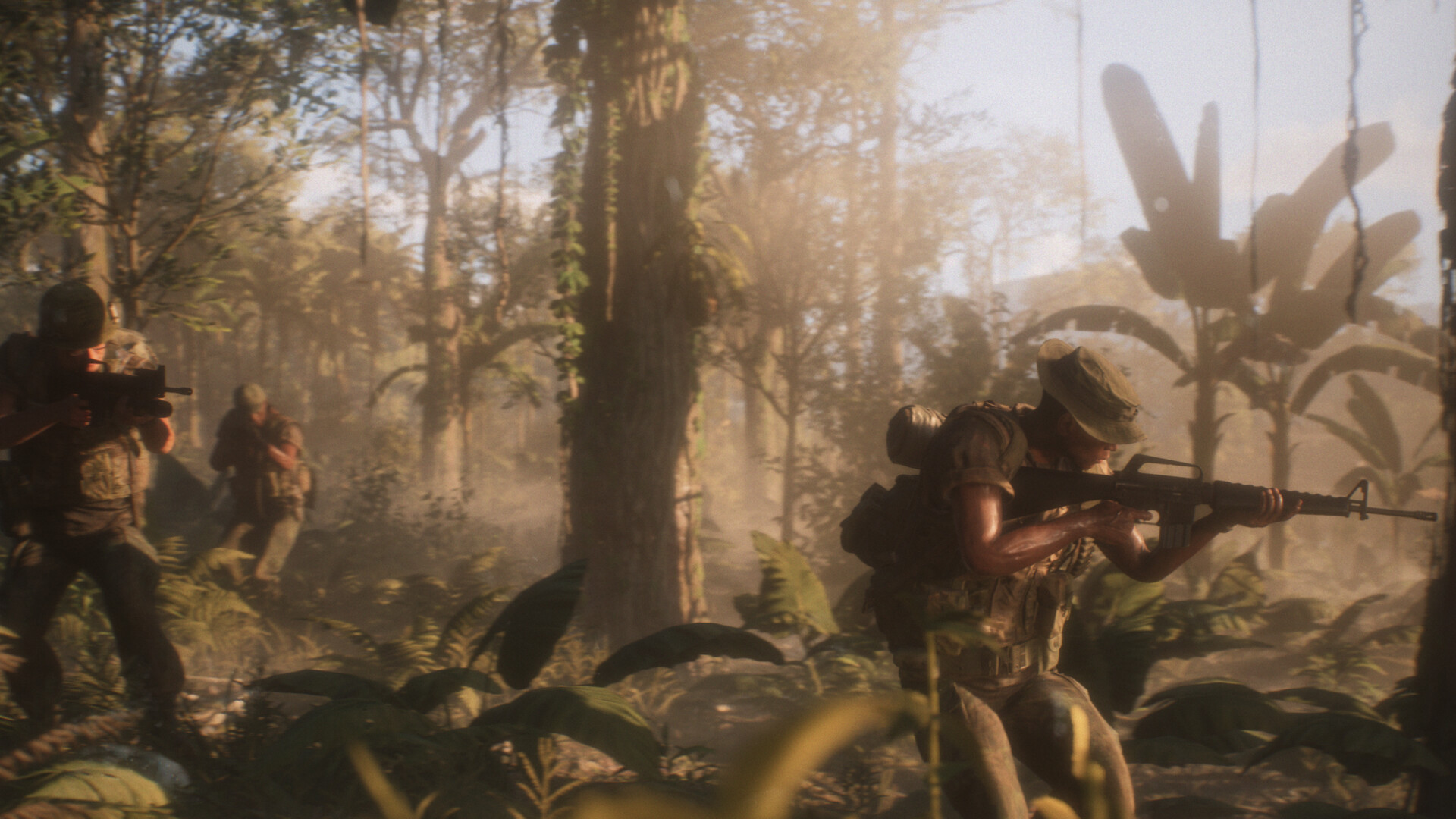
This Hell Let Loose Vietnam how to play guide explains the game from the ground up — everything a new player needs before their first deployment in Hell Let Loose: Vietnam. Hell Let Loose: Vietnam is a 50 vs 50 tactical shooter, not a run-and-gun arcade FPS. Every match is a battle for territory, fought through a chain of command: one Commander directs the whole team, Squad Leaders relay orders to their squads, and every soldier matters at the capture point. If you're new, run the Getting Started tutorial first — it can be skipped with Esc if you want to jump straight into multiplayer, but the Squad Leader and Commander roles stay locked until you complete their tutorials.
Matches in Hell Let Loose: Vietnam start from a deployment screen where you pick your faction (US Armed Forces or NVA), your squad and your class. You deploy onto a map divided into sectors, each containing a capture point. The objective is always the same: control territory, push the frontline, and capture the enemy's HQ to win.
Capture Mechanics
Every capture point has two zones:
- Hard Cap — the designated circle marked directly on the map around the capture point. Players inside it contribute 3× capturing power.
- Soft Cap — the four grid squares (2×2 area) surrounding the objective. Players inside contribute 1× capturing power.
A clean, uncontested capture takes 3 minutes. The capture speed is fixed — having more players inside doesn't speed it up, but it does stop the enemy from capturing it back. The tactical lesson: get bodies inside the Hard Cap, not just near it.
Warfare (the core mode)
Both teams start holding their half of the map; the middle sector begins neutral. Capture contested sectors in sequence to push toward the enemy HQ. Win by capturing the enemy HQ, or hold the majority of sectors when the 90-minute timer expires.
Offensive
Attack vs defence. Attackers have 30 minutes per sector and win by capturing all five plus the HQ; defenders win by holding any sector through its timer. Only Hard Cap players count toward capture. Lost sectors cannot be recaptured by defenders.
Conquest
Free-flowing capture with a Morale system — each team has finite morale that drains on every redeploy and bleeds when the enemy controls more points. Exhaust your morale while outnumbered and you lose.
Domination
Two-phase HQ assault. Control two of three central capture points to unlock the enemy HQ, then capture it for an instant win. Lose the central majority and the HQ locks again.
Spawns: Outposts & Garrisons
Spawning is the most important thing to understand in Hell Let Loose. You don't spawn on your squad — you spawn at garrisons and outposts that leaders place on the map.
- Garrisons — team-wide spawn points placed by the Commander or Squad Leaders (team limit 8). They're loud and visible to the enemy, so protect them. NVA garrisons double as tunnel entrances.
- Outposts — squad-only spawn points placed by the Squad Leader, Spotter or Observer (1 per unit, 120s cooldown). They keep your squad together near the objective.
Default Garrison Spots by Map — Community Reports
Community reports compiled since launch describe reliable default garrison positions on each of the six launch maps. Treat these as starting points rather than fixed rules — the best garrison is always the one that survives contact with the enemy.
- Thanh Hóa Bridge — the high ground on both banks is the anchor; reported garrisons sit in the treeline overlooking the bridge approaches, with the villages and trainyards as fallback positions.
- Huế Outskirts — along the waterways and the terraced high ground, set back from the open terraces where enemy armour can overwatch and destroy them.
- Vạn Tường — the map edges behind the villages and along the riverbanks, where helicopter insertions can reinforce and tunnel flanks can reach.
- Quảng Ngãi — the cliff treeline and cave mouths; lowland spawns get cut off fast once the open fields are contested.
- Đắk Tô Airfield — the perimeter treeline around the airstrip, clear of the runway's long firing lanes.
- Cam Ranh Port — inside the industrial dock blocks, back from the southern waterway where PBR patrols roam.
The Chain of Command
Hell Let Loose: Vietnam is built around communication. The Commander sees the whole map and coordinates abilities, supply drops and vehicle spawns. Squad Leaders relay orders, mark targets and manage spawns. Everybody else fights, builds and follows the plan. Use voice chat — a coordinated 50-man team will beat a disorganised one almost every time, regardless of individual aim.
The game's resource system (Munitions, Manpower and Fuel) powers Commander abilities and vehicle production. Engineers build resource nodes to generate these; when the team runs out of Fuel, the Commander can't spawn new tanks or helicopters.
Vehicles & Support
Vehicles are spawned by the Commander using Fuel resources, and most crews are 2-3 players (Tank Commander + Crewman, or Logistics Officer + Pilot for helicopters).
US Vehicles
| Vehicle | Cost | Build Time | Notes |
|---|---|---|---|
| US Transport Truck | 100 Fuel | 01:30 | 12-person capacity transport. |
| US Supply Truck | 100 Fuel | 01:30 | Carries 150×2 supplies for building. |
| Transport Helicopter | 75 Fuel | 30s | 5 extra passengers, mobile spawn, twin M60D door guns (400 rounds each). |
| Supply Drop Helicopter | 75 Fuel | 30s | Drops 50×2 supplies from the air. |
| M48 Patton | 250 Fuel | 04:00 | Main battle tank — 90mm M41 gun (40 HVAP, 40 HE, 10 smoke), M73 7.62mm coax. |
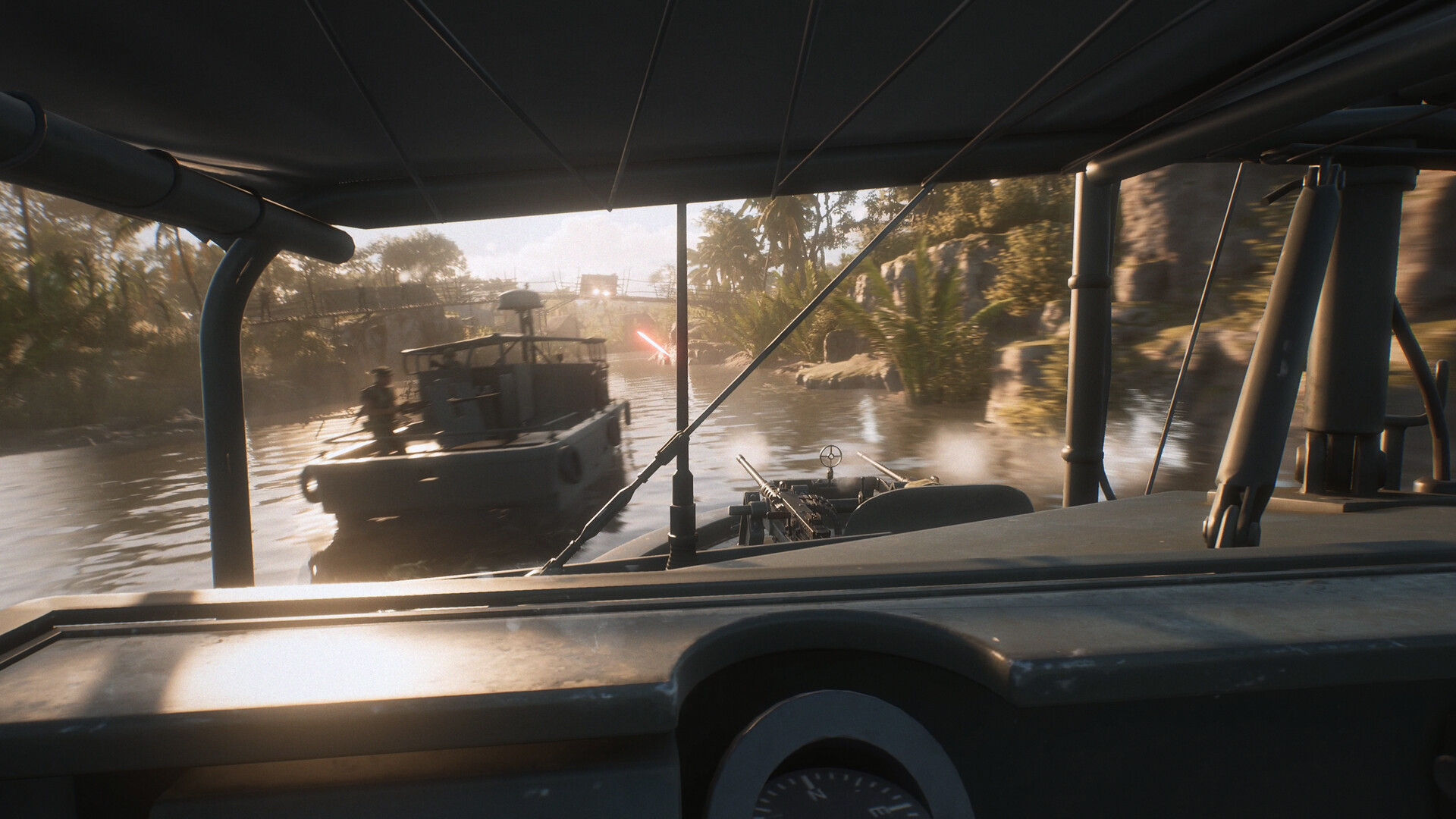
| PBR Boat | 200 Fuel | 05:00 | River patrol boat — mobile spawn, twin-linked M2 Browning front (300 rounds) + rear M2 Browning (300 rounds). |
NVA Vehicles
| Vehicle | Cost | Build Time | Notes |
|---|---|---|---|
| NVA Transport Truck | 100 Fuel | 01:30 | 12-person capacity transport. |
| NVA Supply Truck | 100 Fuel | 01:30 | Carries 150×2 supplies. |
| T-54 | 250 Fuel | 04:00 | Main battle tank — 100mm D-10T gun (40 APHE, 40 HE-FRAG, 10 smoke), SGMT 7.62mm coax, 28 km/h. |
| NVA Boat | 200 Fuel | 05:00 | Mobile spawn — dual DShK 12.7mm front (300 rounds) + RPD 7.62mm rear (300 rounds). |
Patch 1.2 (August 21, 2026) reworked the Tank Smokescreen — it now operates on a two-minute cooldown instead of drawing from a finite smoke ammunition supply — and increased truck speeds for both factions, so expect supply and transport trucks to cover ground noticeably faster.
NVA Tunnels — The Signature Mechanic
The NVA's answer to US helicopters is the tunnel network. Only NVA Squad Leaders and Commanders can place tunnel entrances — 12 per team by default, raised to 15 with a Commander ability — and connect them from the tactical map. Once connected, any NVA player can fast-travel between tunnels and connected garrisons — moving behind the US line completely undetected.
Patch 1.4 made the network easier to read at a glance: tunnel travel screens now show the expected journey time. The 3D Tactical Map also displays each Resource Node's radius, helping Engineers and Commanders judge node coverage before committing to a build.
Tunnels are visible to the enemy and emit noise, so placement matters. If the enemy destroys a tunnel, they break the network — and any NVA player travelling inside at that moment is killed as the tunnel collapses. Used well, tunnels enable the classic NVA tactics: flanking ambushes, surprise attacks on rear garrisons, and rapid response across the map.
Placement rules keep the network in check: building a tunnel costs no supplies, but each placement starts a 5-minute personal cooldown; tunnels can't be built inside locked enemy territory; and if the sector holding a tunnel is captured, the tunnel collapses with it.
New Player Tips
- Play Rifleman first. Simple loadout, ammo box value, no responsibility. Learn the flow before leading.
- Follow your Squad Leader. The squad that moves together captures points. Lone-wolfing in hell let loose vietnam guide just feeds kills to the enemy.
- Get inside the Hard Cap. Three players in the circle beat ten players hovering at the edge. Body count in the cap zone wins sectors.
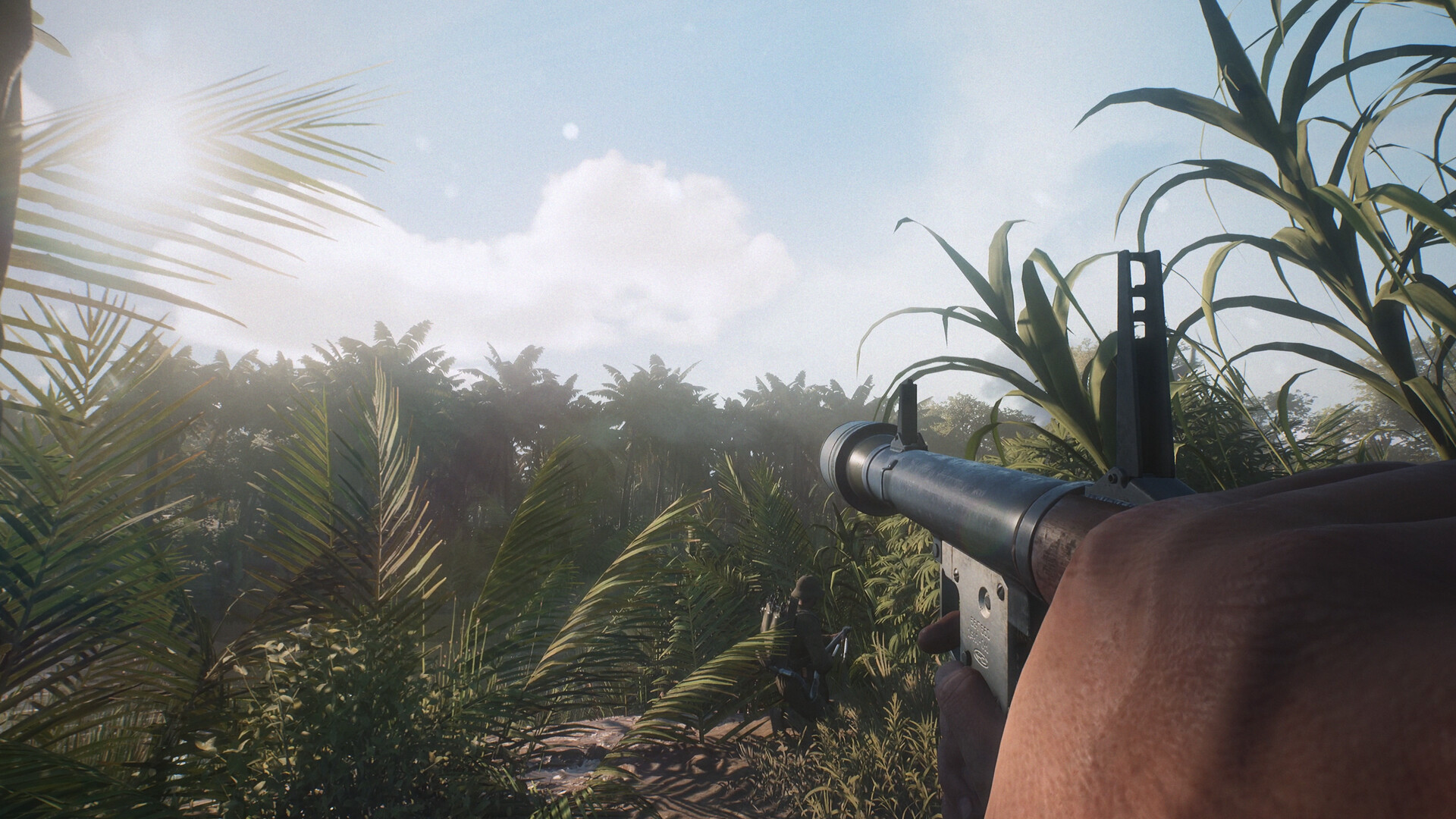
- Use cover and the terrain. The jungle is dense — moving through it silently lets you flank, but crashing through it announces your position to every nearby enemy.
- Communicate. One callout ("squad on the north treeline") can save an entire defensive line. Ping targets, report enemy garrisons.
- Stay with your ammo sources. The M16's 20-round mags and the M60's belt feed burn through supplies fast — stay near Rifleman ammo boxes and support drops.
- Drag wounded teammates to cover. You can drag downed comrades out of the open before reviving — don't stand in the killzone to save someone.
- Learn to swim. The river maps have wide waterways — swimming lets you cross where the enemy isn't watching, but you're defenceless in the water.
From WWII Hell Let Loose to Vietnam
If you're a Hell Let Loose veteran, most of the core formula transfers directly: sector capture, garrisons, outposts, nodes, the chain of command, and the same fundamental game modes. Here's what's new in Vietnam:
- Helicopters (US) — transport and supply helicopters add an air layer the WWII game never had. Expect aerial insertions and door-gun firefights.
- Tunnels (NVA) — the NVA's underground network is the direct counter to US air mobility.
- Patrol boats — both factions get river-capable boats with heavy mounted guns on the waterway maps.
- Enhanced movement — swimming, climbing and fast crawling change how you cross terrain.
- Dragging mechanics — pull wounded squadmates to cover before reviving them.
- Weighted loadouts — heavier gear slows you down; the system was rebalanced after the crossplay playtest.
> Related Guides
📬 Have feedback or corrections? Contact us — Sources: Steam, Official Site